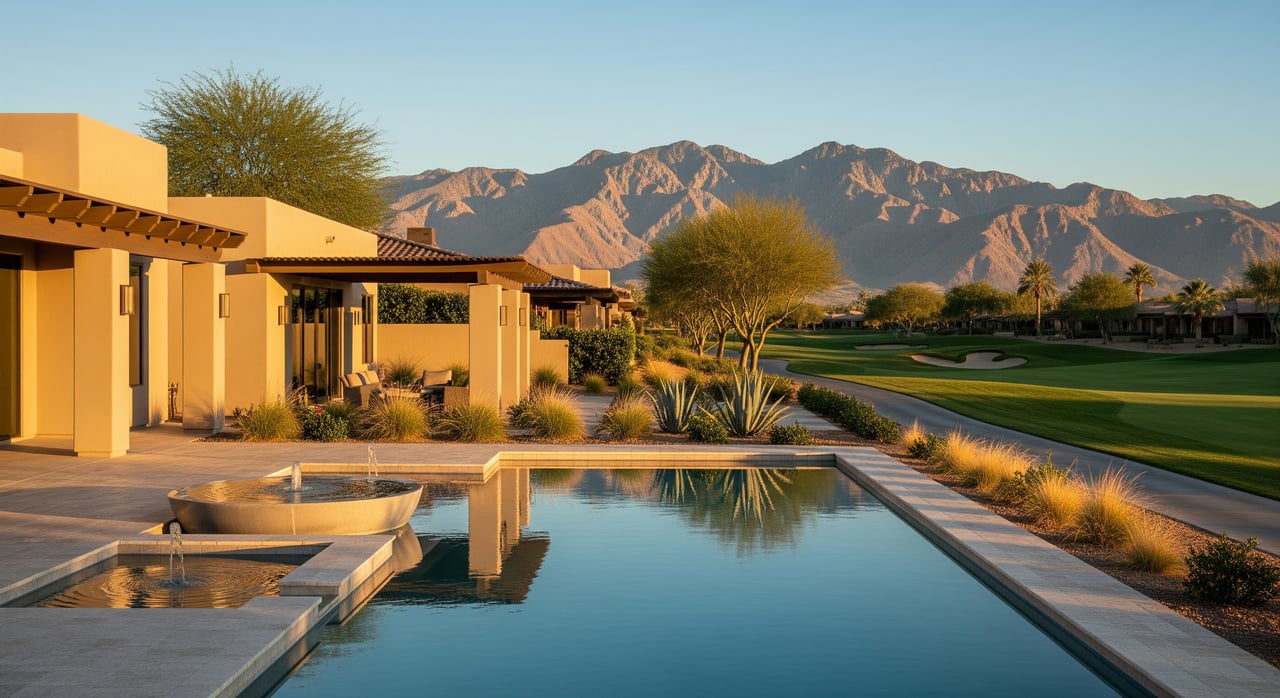
Dreaming about weekends by the pool, miles of trails, and a neighborhood that feels organized and easy to navigate? If you are exploring Goodyear, you will see master-planned communities almost everywhere. These neighborhoods bundle homes with parks, clubhouses, and events that shape daily life in simple, practical ways. In this guide, you will learn what it is like to live in Goodyear’s MPCs, from home styles and amenities to HOAs and everyday routines. Let’s dive in.
Why Goodyear’s MPCs stand out
Goodyear sits on the west side of Greater Phoenix with quick access to I-10 and Loop 303. That location makes it a convenient home base for commuters heading across the Valley. The city has grown quickly, and master-planned communities are a big reason why.
Many buyers choose MPCs for their predictable design and built-in amenities. Trails, parks, pools, and nearby retail are part of the plan from day one. The City of Goodyear highlights community programming and parks that pair well with MPC amenities, which creates an active year-round lifestyle for residents. You can explore local resources and events through the City of Goodyear.
Community types you will see
- Family-focused MPCs with neighborhood pools, playgrounds, and on-site school sites.
- Resort or golf-focused communities built around clubhouses and fairways.
- Active adult 55-plus communities with social clubs, fitness centers, and low-maintenance options. For example, PebbleCreek is a well-known choice in the area.
If you want a large-scale example with trails, lakes, and multiple amenity hubs, look at Estrella. If you prefer an age-restricted environment with structured activities, PebbleCreek offers that format.
What homes look and feel like
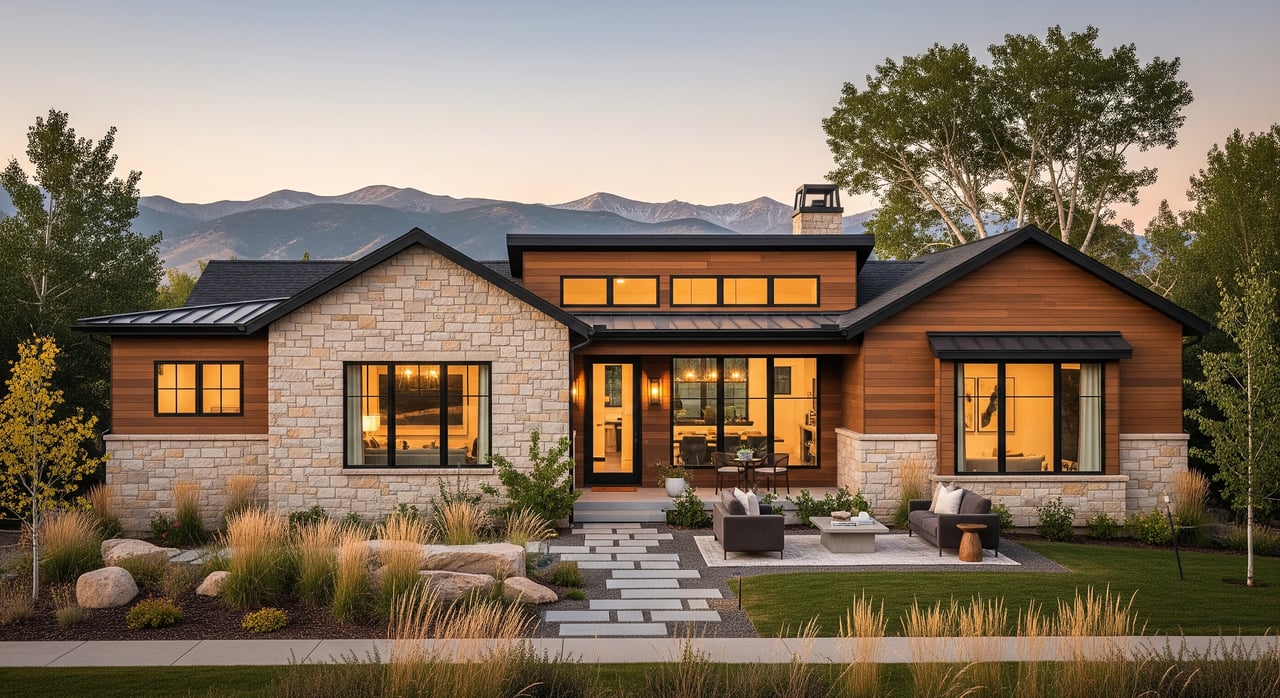
Most Goodyear MPCs feature single-family detached homes in one and two-story floor plans. You will also find some attached options like townhomes or paired homes in select phases. In 55-plus sections, patio or villa homes with smaller lots are common.
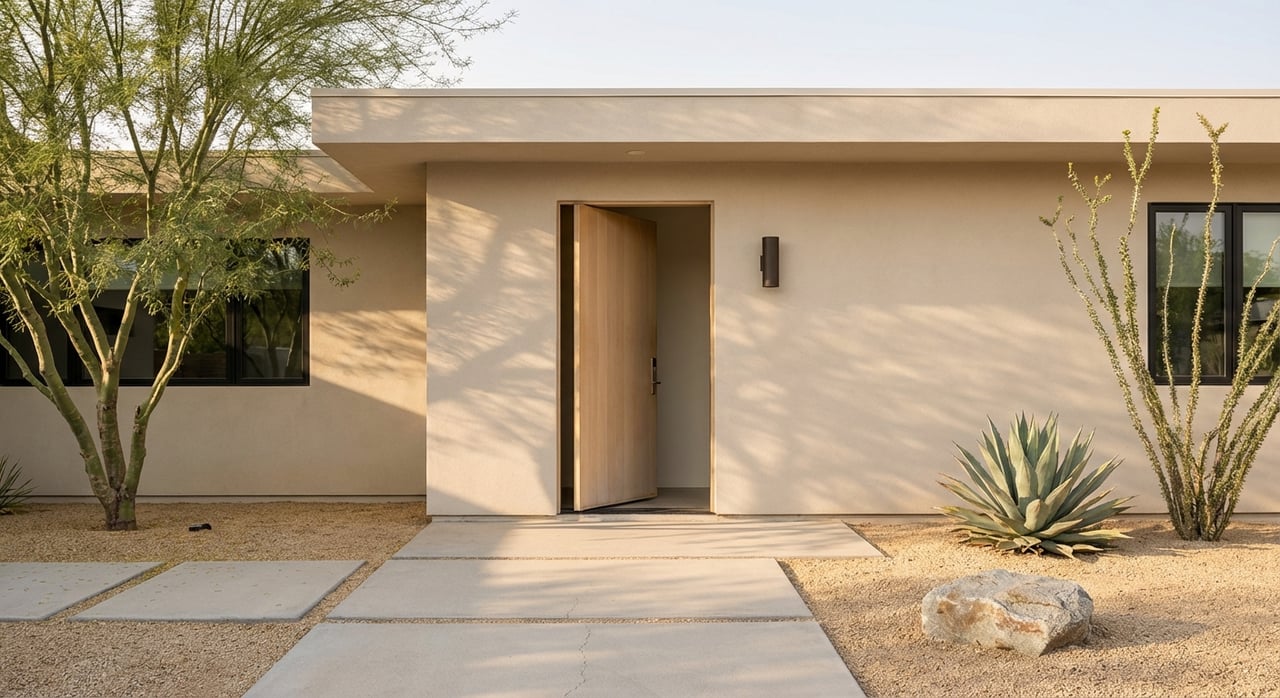
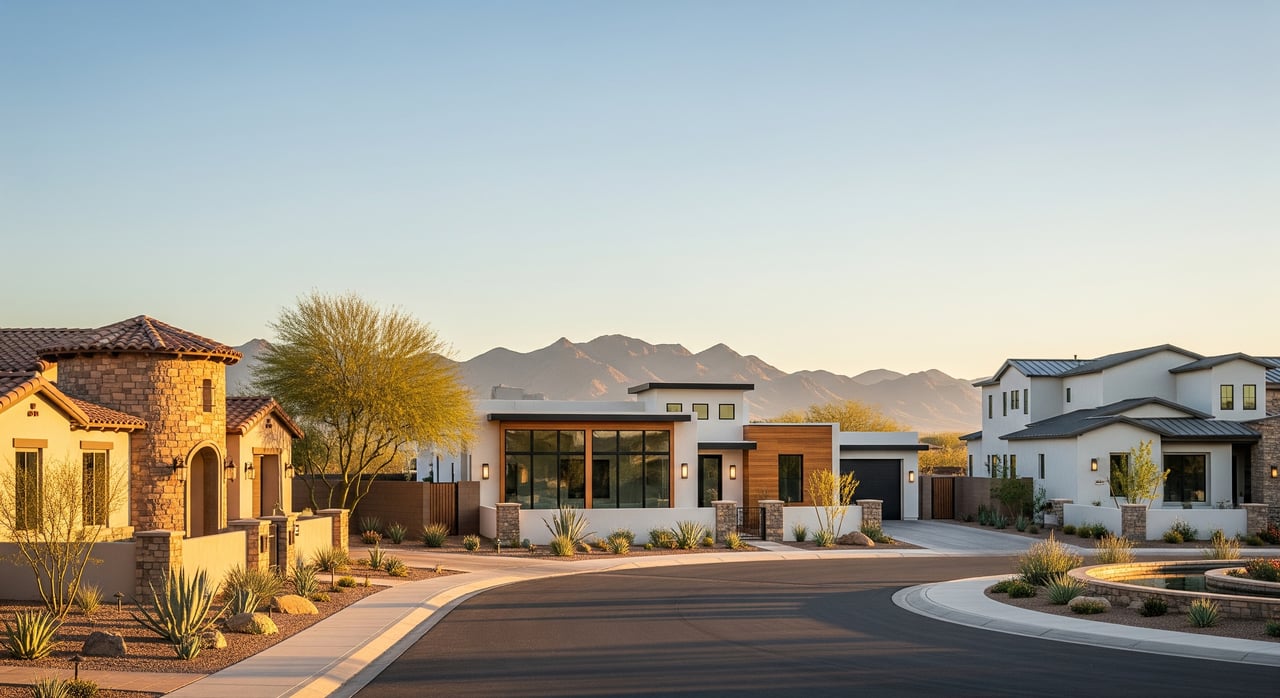
Architecture tends toward Southwestern, Spanish, and modern desert styles. Expect stucco exteriors, tile roofs, and shaded patios that support indoor-outdoor living. Lot sizes vary by neighborhood and phase. Newer phases often have smaller lots, while resort or luxury enclaves may offer larger sites.
Inside, you will see open kitchens and living areas, tile flooring in main spaces, and energy-efficient HVAC and window packages in newer builds. Covered patios extend living space. Many owners add a private pool or outdoor kitchen, but a lot of residents rely on the community pools instead.
Amenities that shape your day
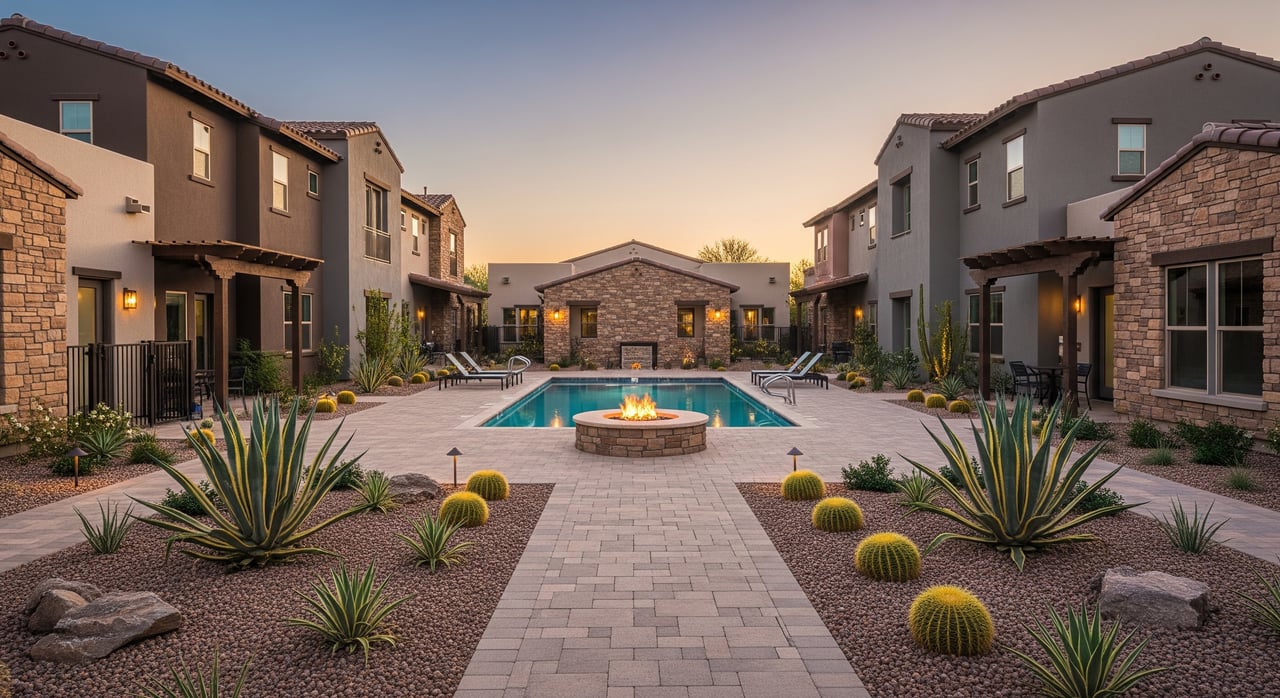
MPC amenities are designed for daily use. Multiple pools, splash pads, fitness centers, and sports courts are common. Miles of planned trails connect parks, schools, and small retail nodes. Many communities align their open space with natural washes and retention basins, which double as green belts and walking routes.
The social calendar is a big draw. Clubhouses host fitness classes, clubs, and seasonal events. City parks and programs often complement community activities, which gives you options even if your HOA calendar is full. You can check citywide offerings through the City of Goodyear to see how local events line up with neighborhood life.
Understanding HOAs and how they affect daily life
HOAs are central to the master-planned experience. They manage common areas, maintain landscaping, enforce design standards, and coordinate amenities. Many communities also run clubs and events through the HOA or lifestyle office.
For reliable guidance on how associations work, the Community Association Institute outlines typical roles, reserve practices, and owner responsibilities. Use that as a framework to ask smart questions about any specific HOA.
How fees work and what they cover
Fee structures vary a lot. Some communities have modest dues with a simple pool and a few parks. Amenity-heavy MPCs charge more and may include multiple pools, staffed fitness centers, clubhouses, or even front-yard maintenance in some neighborhoods. Fees are commonly billed monthly, quarterly, or annually.
You may see a master association that covers shared amenities plus sub-associations for individual neighborhoods. Always ask for a clear breakdown of what each fee includes.
Rules and lifestyle tradeoffs
Community standards typically address exterior paint colors, landscaping, parking policies, and approval for exterior changes. Some HOAs limit RV or boat parking and may restrict short-term rentals. These rules help maintain a consistent look and protect shared spaces, but they also create limits if you prefer maximum flexibility.
Enforcement style varies by community. If you want a sense of the culture, review recent meeting minutes and talk with neighbors before you buy.
HOA documents to request before you commit
- CC&Rs, bylaws, and rules and regulations
- Current budget and reserve study
- Meeting minutes for the past 6 to 12 months
- Insurance certificates for common areas
- History of special assessments and any planned capital projects
- Fee breakdown for master and neighborhood associations
Everyday life: seasons, commute, schools, services
Climate and outdoor rhythm
Goodyear has a hot desert climate with very warm summers and mild winters. In summer, most outdoor exercise shifts to early mornings or evenings. Community pools, shaded ramadas, and indoor fitness rooms see more use during hot months. Winter opens up the day for hikes, bike rides, and outdoor events.
Low-water landscaping is common in both public and private areas. Xeriscape, drip irrigation, and synthetic turf are used to manage water use. This affects both aesthetics and budgeting for your yard.
Getting around town and the Valley
I-10 runs east-west and links Goodyear to central Phoenix, while Loop 303 connects north-south to other West Valley suburbs. Commute times vary by time of day. Most residents rely on private vehicles since public transit is limited compared with central Phoenix.
For aviation, the Phoenix Goodyear Airport serves general aviation. Most commercial flights use Phoenix Sky Harbor International Airport, which you can reach via I-10.
Schools and services
Many master-planned communities are built with school sites within or nearby. District boundaries and attendance maps can change, so verify the exact parcel assignment for any property you are considering. City parks, recreation programs, and typical suburban services support everyday routines across Goodyear.
For property tax information and parcel details, the Maricopa County Assessor is the official resource.
Budget and cost drivers to keep in mind
Your monthly budget will balance several line items beyond the mortgage. In summer, air conditioning is a major utility cost. Water and irrigation can add up, even with xeriscape. HOA dues and property taxes are part of the picture, and commuting costs matter if you travel frequently across the Valley.
For general market context and buyer guidance, statewide resources like Arizona REALTORS can help you understand standard practices and timelines. Local MLS data and community-specific documents will be most accurate for current numbers.
Is a master-planned community a fit for you?
Ask yourself a few lifestyle questions as you compare options:
- Do you prefer a social calendar with clubs and classes, or quiet privacy?
- Would you rather enjoy resort-style shared amenities, or invest in private yard features like a pool and outdoor kitchen?
- How important is proximity to a specific freeway, employer, or school site?
- Are you comfortable following architectural guidelines for exterior changes?
If you travel often, consider how quickly you can reach I-10, Loop 303, and Phoenix Sky Harbor. If you love year-round recreation, evaluate the quality and distribution of trails and parks across the master plan.
How to compare communities like a local
Use this simple process to get a real feel for daily life:
- Visit at different times. Stop by on a weekday morning and a weekend afternoon. Notice traffic patterns, trail activity, and pool use.
- Walk or bike the trail system. Look for shade, surface condition, and connections to parks, schools, and retail.
- Study lot orientation. South and west exposures can be warmer in the afternoon. Check backyard privacy and nearby open space.
- Ask about drainage. If the home is near a wash or retention basin, understand stormwater design and maintenance.
- Review HOA culture. Read meeting minutes and recent communications. Ask about ARC approval timelines for typical projects.
- Verify fees and finances. Request the budget, reserve study, and special assessment history. Confirm master and sub-association dues.
Next steps
If Goodyear’s master-planned lifestyle sounds right for you, start narrowing by community type and daily routine. From family-focused neighborhoods with parks and schools to golf and active adult enclaves, you have a wide range of choices.
When you are ready, connect with a local guide who knows the West Valley inside and out. If you want help matching communities to your lifestyle, touring homes, and reviewing HOA documents, reach out to Michael Osborn to Start Your Home Search.
FAQs
How do HOAs in Goodyear master-planned communities affect homeowners?
- HOAs manage amenities and common areas, enforce design standards, and set rules that shape exterior changes and daily routines; review the CC&Rs and budget before you buy.
What types of homes are common in Goodyear master-planned communities?
- Most are single-family homes with open layouts and outdoor living spaces, with some attached options and low-maintenance villas in select or 55-plus sections.
What amenities can I expect in Goodyear master-planned communities?
- Pools, fitness centers, sports courts, parks, trails, event spaces, and nearby retail are common, with larger plans offering multiple amenity hubs.
How much are HOA fees in Goodyear master-planned communities?
- Fees vary by amenity level and structure; ask for a detailed fee schedule showing what master and neighborhood dues include and review recent assessment history.
What is the commute like from Goodyear to Phoenix employment centers?
- Many residents use I-10 and Loop 303; drive times depend on time of day, and most households rely on private vehicles due to limited regional transit in this area.