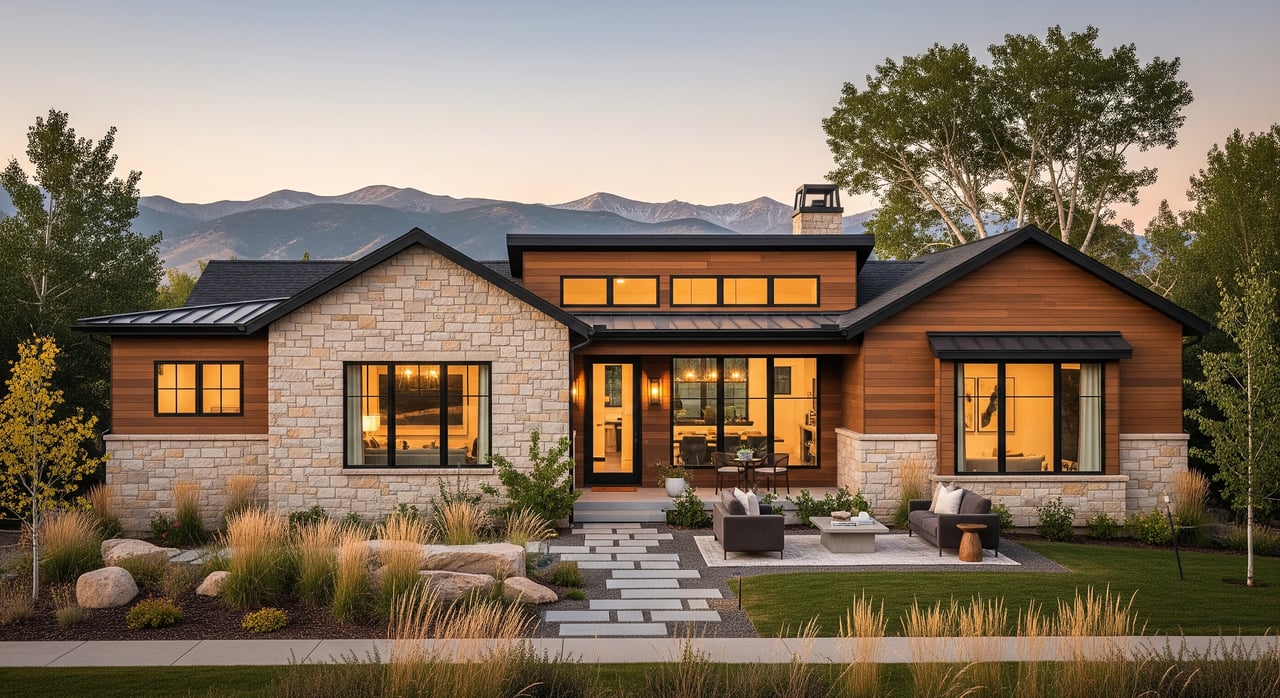
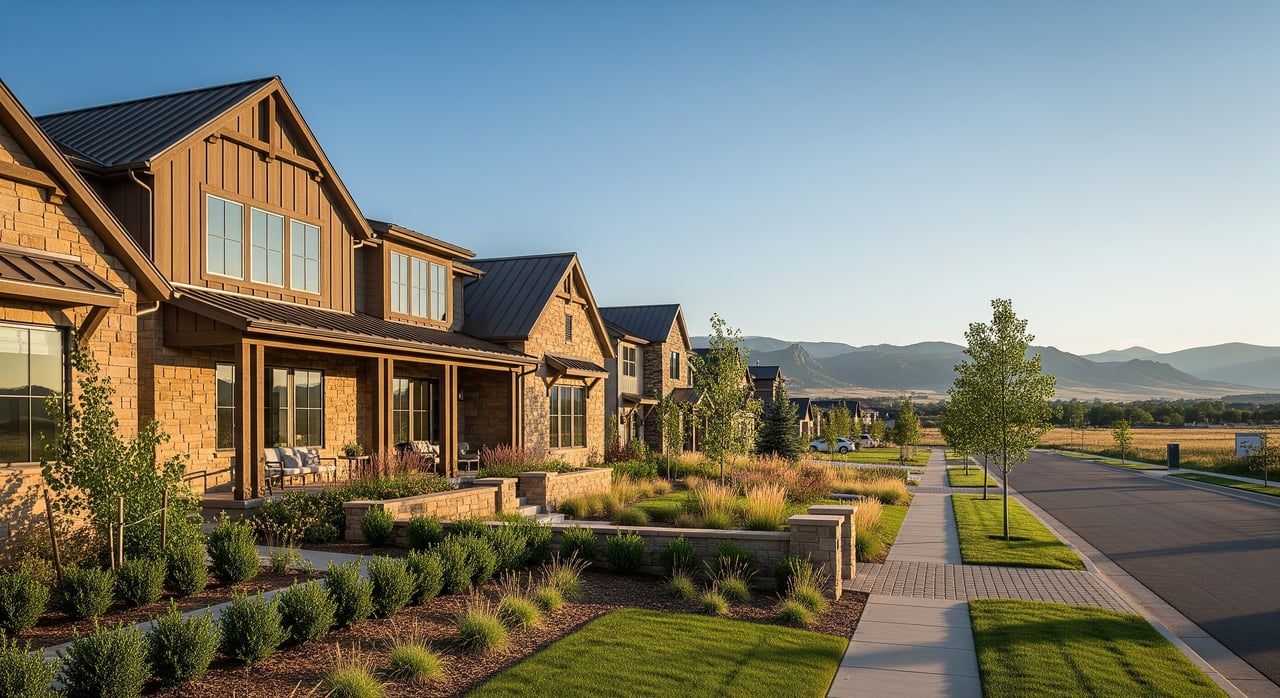
Thinking about a new-build in Parker but not sure where to start? You are not alone. Choosing the right community and builder can feel overwhelming when every model home looks perfect. The good news is you can make this a confident decision with a clear, local checklist. In this guide, you will learn what to look for in Parker’s new communities, from builder credibility and true costs to wildfire risk, HOAs, and build timelines. Let’s dive in.
Why Parker new builds
Parker sits in Douglas County along the Denver metro growth corridor. Ongoing development brings a range of choices, from master-planned neighborhoods with amenities to smaller subdivisions and semi-custom lots. This growth also shapes roads, utilities, and phasing schedules that affect your daily life.
Access matters here. Proximity to State Highway 83, and nearby connections to E-470 and I-25, can change commute times by neighborhood. Test your routes during rush hour before you commit.
Climate and site conditions are part of smart planning. Parker’s semi-arid Front Range climate brings cold, snowy winters, warm dry summers, strong sun, and big day-night temperature swings. That impacts insulation, roof design, drainage, and landscaping. Wildfire awareness and water-wise landscaping also play a role, especially near open space.
Start with the builder
A builder’s track record sets the tone for your experience and resale potential.
- Research local projects the builder has completed in Parker or Douglas County. Walk finished streets, talk to homeowners, and inspect details up close.
- Review warranty coverage. Many builders use a 1-2-10 structure, but specifics vary. Confirm coverage terms, exclusions, and how service requests are handled.
- Read the contract in full. Clarify deposit and refund rules, change-order pricing, dispute resolution, and closing conditions. Have a real estate attorney or experienced agent review before you sign.
- Check independent references. Consider the Colorado Division of Real Estate resources, Better Business Bureau records, and local homeowner feedback.
Price and the true cost
The base price is only part of the story. Parker’s new builds often separate home price from lot and options.
- Ask for an itemized list of what the base price includes. Confirm lot premiums, exterior finishes, landscaping, fencing, and window coverings.
- Verify incentives and their conditions. Rate buydowns may require a preferred lender. Understand how incentives affect your final price and appraisal.
- Estimate property taxes using Douglas County mill levies and check for development impact or tap fees that apply to your lot.
- Review HOA dues and any potential special assessments. Understand what services your dues cover and how they might change.
Pick the right lot
Your lot choice affects comfort, energy use, and privacy.
- Orientation and microclimate: Southern exposure can change snow melt and solar gain. Ask about shading, grading, and drainage.
- Lot size and usability: Compare finish grades to the community plan. Model photos may not reflect slope or how close neighbors will be.
- Views and privacy: Request maps for current and future phases. Planned roads or lots may alter sightlines.
- Soils and geology: Ask if geotechnical studies were completed and whether expansive soils or rock affected foundation design.
Community plan and phasing
Amenities and timing shape your day-to-day life and resale value.
- Confirm what is planned and what is built. Trails, pools, parks, and retail components should have documented timelines and budgets.
- Request a phasing map with estimated buildout. Living near a later phase can mean construction noise and traffic for months or years.
- Check connectivity. Look for pedestrian and bike routes to parks, schools, and retail. Safer, shorter routes can improve quality of life.
HOA rules and governance
Know the rules before you fall in love with a model home.
- Read CC&Rs, bylaws, the latest budget, reserve studies, and meeting minutes. Look for rental rules, short-term rental policies, pet limits, and enforcement practices.
- Confirm what dues include, such as landscaping, snow removal, or pool maintenance.
- Understand the Architectural Review Board process, including approval timelines for landscaping, paint, or exterior additions.
Schools and family services
School assignments in Parker are set by the Douglas County School District and can vary by address. Check DCSD boundary maps and review enrollment and capacity notes. If schools matter to your decision, verify current assignments and consult official performance data.
Also review proximity to childcare, libraries, parks, and medical services. In growing areas, planned commercial space can change service access over time.
Utilities and infrastructure
Providers and policies vary by neighborhood. Confirm details for your specific lot.
- Water and sewer: Identify the actual provider, such as the Town of Parker, Parker Water & Sanitation District, or another local district. Ask about tap fees and any water-use rules.
- Electricity, gas, and broadband: Confirm which companies serve your address and whether future phases require capacity upgrades.
- Trash, recycling, and mail routes: Check who provides collection, where cluster mailboxes will be located, and how service starts after closing.
Risk, insurance, and codes
Understanding local hazards helps you protect your investment.
- Wildfire: Homes near open space may face elevated risk and different insurance costs. Ask about defensible space guidance and any HOA landscaping requirements.
- Flood and drainage: Verify whether the lot lies within any FEMA floodplain and review neighborhood drainage plans, including retention basins and easements.
- Building codes and energy standards: Ask which codes the builder follows, including the local energy code. If the builder claims certifications, request documentation.
Energy efficiency and future costs
Energy choices affect comfort and long-term costs.
- HVAC and envelope: Ask about furnace or heat pump systems, insulation R-values, window specs, and mechanical ventilation.
- Solar and EV readiness: Look for solar prewire or included systems and a 240V outlet in the garage for EV charging.
- Smart features: Confirm smart thermostats, efficient water heaters, and any energy modeling available for comparable homes.
Financing and timing
New construction financing and timelines require firm plans.
- Loan products: Builders may accept conventional, FHA, or VA, and sometimes offer incentives with preferred lenders. Verify eligibility and appraisal steps.
- Schedule: Get the build timeline in writing with milestones and weather or supply-chain contingencies. Know how delays are handled.
- Close and possession: Understand the certificate of occupancy process, your final walk-through, punch list procedures, and settlement documents.
Resale and market dynamics
Think about your exit strategy before you buy.
- Inventory competition: If many similar homes deliver at the same time, resale pricing can feel pressure. Ask about expected home counts per phase.
- Rental policies: HOA restrictions on rentals can influence your buyer pool down the road.
Your on-site checklist
Bring this list when you tour model homes and lots.
- Builder: Past projects in Parker, warranty service process, and contract review.
- Pricing: Base price inclusions, lot premiums, option pricing, incentives, and closing costs.
- Lot: Orientation, grading, soil reports, views, and privacy from future phases.
- Community: Amenity timeline, phasing map, and walk-bike connections.
- HOA: CC&Rs, dues, reserve funding, meeting minutes, and ARB rules.
- Schools and services: DCSD assignment verification and nearby parks, childcare, and medical.
- Utilities: Water and sewer provider, internet options, and trash service.
- Safety and risk: Wildfire defensible space, floodplain status, and insurance estimates.
- Energy: HVAC type, insulation, windows, solar and EV readiness, and smart features.
- Timing and financing: Build schedule, rate lock options, and appraisal process.
Next steps
Your best move is to gather documents early and verify every assumption. Ask for recorded plats, HOA documents, amenity plans and budgets, and a written build schedule. Confirm school assignments with DCSD and check county resources for taxes and recorded covenants. If you want a second set of eyes on contracts, specs, and site plans, connect with a trusted advisor who knows new construction.
If you are planning a move and want practical, step-by-step support from contract to close, reach out to Michael Osborn. You will get clear guidance, honest cost insights, and responsive service to help you choose the right Parker community with confidence.
FAQs
How do I vet a Parker builder’s reliability?
- Tour completed local projects, review warranty service records, check BBB history, and have an attorney or experienced agent review the contract before signing.
What is included in a Parker new-build base price?
- Ask for a written inclusions list and itemized options; verify lot premiums, landscaping, fencing, window coverings, and appliance packages.
How long does new construction usually take in Parker?
- Timelines vary by builder and weather; get a written schedule with milestones, plus contingency language for supply delays and how delays are handled.
How do HOAs in new communities handle dues and rules?
- Review CC&Rs, bylaws, budgets, and meeting minutes to see what dues cover, reserve funding, rental rules, and the Architectural Review Board process.
How can I check school assignments for a specific Parker address?
- Use Douglas County School District boundary resources to confirm current assignments and review capacity notes and official performance data.
How do I evaluate wildfire or flood risk before I buy?
- Ask for wildfire defensible-space guidance and verify FEMA flood maps for the lot; consult county emergency management resources and insurance quotes early.