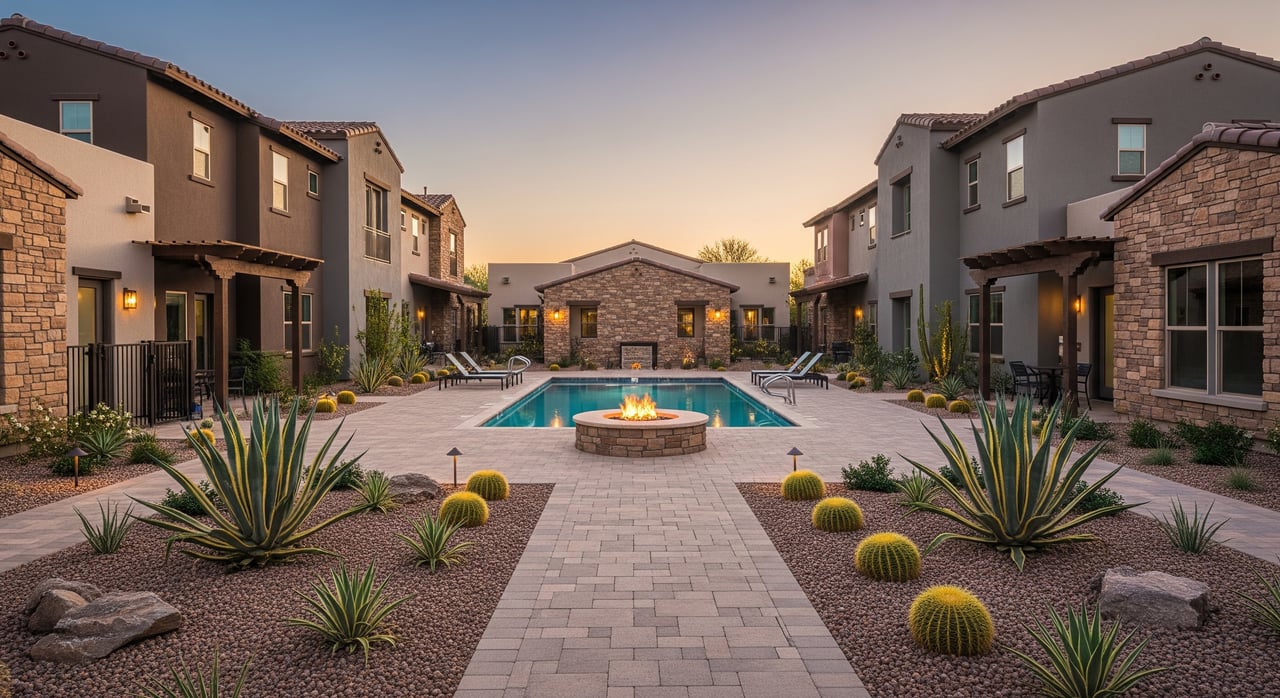

Are you torn between a low-maintenance condo and a more private single-family house in Lakewood? You’re not alone. With varied neighborhoods, mountain access, and different ownership costs, the choice can feel complex. In this guide, you’ll see how the two options compare on costs, upkeep, lifestyle, and due diligence so you can feel confident about your next step. Let’s dive in.
Lakewood at a glance
Lakewood sits just west of Denver with quick access to I-70, US-6, and the light rail. You’ll find a mix of single-family homes and condos near Belmar, West Colfax, Green Mountain, and Bear Creek. Proximity to the foothills and shopping hubs shapes prices, commute options, and daily convenience. Municipal codes and zoning vary, so check the City of Lakewood for local rules and updates.
Costs: condo vs house in Lakewood
Purchase price and market trends
Condos in Lakewood typically have a lower buy-in price than single-family homes, but always compare within the same time frame and micro-area. For current median prices and trends, review the latest Colorado Association of REALTORS monthly market reports. You’ll see how price per square foot and year-over-year changes stack up across product types in the Denver metro and Lakewood submarkets. Use these figures to anchor your budget and negotiation plan.
- Check current market trends through the Colorado Association of REALTORS.
Property taxes and special districts
Property taxes in Jefferson County are based on assessed value. Both condos and houses are subject to the same mill levies, though condos often have lower assessed values due to smaller size and no private lot. Special district levies can vary by neighborhood and affect the total tax bill. Review parcel data and sample bills before you buy.
- Explore assessment details with the Jefferson County Assessor.
HOA dues and special assessments
Most condos include monthly HOA dues that cover exterior maintenance, common-area insurance, landscaping, and snow removal. Fees vary widely by building age, amenities, and management. Reserve funding and the building’s capital plan matter. Low reserves or frequent special assessments can raise your true cost of ownership over time.
- Learn HOA best practices from the Community Associations Institute.
Insurance differences
Condo owners typically carry an HO-6 policy that covers the interior of the unit and personal property, while the building’s master policy covers the exterior and common areas. Homeowners generally carry an HO-3 or HO-5 policy that insures the full structure. Master policy deductibles, coverage scopes, and lender requirements can change what you need to carry. Ask your insurance agent to review master policy details when you shop coverage.
Utilities and services
Condos often use less electricity and gas and may include some utilities in HOA dues. Single-family homes typically have higher utility loads, plus outdoor water use for yards. Compare typical rates for your address and check whether a condo building bundles any utilities.
- Review provider information at Xcel Energy.
Maintenance budget
A common rule of thumb is to budget 1 to 3 percent of a home’s price each year for maintenance. Single-family homes usually sit toward the higher end as you are responsible for everything from the roof to the yard. Condo owners pay less direct maintenance, but HOA dues and possible special assessments should be factored in.
- See typical ranges discussed in this Angi home maintenance cost guide.
Example monthly totals
Below is a simplified example to show how non-mortgage costs can compare. These are illustrative figures only. Your actual costs will vary by property, building, condition, and neighborhood.
| Cost Category | Lakewood Condo Example | Lakewood House Example |
|---|---|---|
| Purchase price | $350,000 | $550,000 |
| Property tax | $200/mo | $350/mo |
| Insurance | $25/mo (HO-6) | $100/mo (HO-3/HO-5) |
| HOA dues | $300/mo | $0 |
| Utilities | $150/mo | $300/mo |
| Maintenance budget | $100/mo | $625/mo |
| Total non-mortgage | $775/mo | $1,375/mo |
Note: Mortgage principal and interest would be added to these amounts. Always customize a worksheet for the specific property you are considering.
Upkeep and responsibilities
Who handles what
- Condos: The HOA typically maintains the exterior, roof, landscaping, snow removal, and common-area insurance. You are usually responsible for your unit’s interior systems, finishes, and sometimes balconies or patios.
- Houses: You handle the entire structure, roof, yard, driveway, and all systems. Budget for preventive care and occasional larger projects.
Review the HOA’s CC&Rs and bylaws to confirm maintenance boundaries, insurance details, and rules on alterations, rentals, and pets.
Age of buildings and reserves
Many Lakewood condo communities built in the 1970s to 1990s may be due for roof, siding, window, or mechanical updates. A healthy reserve fund and a documented capital plan are positive signals. Older single-family homes can have deferred items such as sewer lines, foundations, or HVAC. Inspections and reserve studies help you see what is coming.
Snow and landscaping in Lakewood
Snow and ice management matter in Lakewood winters. Most condo communities include snow removal in dues. Homeowners are responsible for sidewalks and driveways, and may need irrigation for lawns in a semi-arid climate. Xeriscaping can reduce outdoor water costs.
Surprise costs to plan for
- Condos: Special assessments to fund big projects are a key risk. Check the association’s history and current reserve study.
- Houses: Unexpected systems failures like sewer line issues, roof replacement, or foundation repairs can be expensive. A thorough inspection and a contingency fund protect your budget.
Lifestyle tradeoffs
Space and privacy
Houses typically offer more interior space, a private yard, and storage. Condos trade some privacy and square footage for lower upkeep. Decide how you plan to live day to day and how much space you truly need.
Amenities and walkability
Many Lakewood condos near Belmar and Sheridan corridors offer proximity to shops, dining, and services. Buildings may include amenities like a fitness room or pool. Houses provide freedom to customize and entertain but usually require more time and budget for maintenance.
Parking and storage
Condo parking can be assigned, permit-based, or in shared garages. Storage may be limited. Single-family homes usually include a private garage and driveway. Confirm parking arrangements early if you own multiple vehicles or outdoor gear.
Transit, commute, and schools
Condos located near light rail or bus lines may cut commute time and reduce driving. Houses farther from transit can offer more space but may be more car-dependent. Check address-specific school assignments and transportation options with local resources.
- See city resources at the City of Lakewood.
Financing and resale
Condo project approval
Lender rules for condos include project-level reviews, reserve requirements, and limits on investor concentration. If you plan to use FHA or VA financing, verify that the building is eligible before you write an offer.
- Review FHA guidance on condo approvals via HUD.
- Learn about conventional condo standards from Fannie Mae.
Closing costs and HOA transfer fees
Condo purchases may include HOA transfer fees and document fees. House purchases may not have these costs but can have higher inspection or repair bills. Ask your lender and title company for a line-by-line estimate for both scenarios.
Resale and buyer pool
Single-family homes often draw a wider buyer pool and can be less sensitive to building-specific issues. Condos can sell quickly when well-managed and well-located, but resale value is closely tied to the association’s financial health and reputation. Healthy reserves and clear maintenance records help protect value.
What to review before you buy
For condos: document checklist
- Declaration, bylaws, and rules
- Current budget and reserve study
- Recent meeting minutes and special assessment history
- Master insurance policy and deductible structure
- Rental and pet policies, occupancy limits, and delinquency rates
- Parking, storage, and any planned capital projects
For houses: inspection checklist
- Full home inspection covering structure, roof, electrical, plumbing, HVAC
- Sewer scope for older homes, plus radon test and pest checks where relevant
- Age and condition of roof, furnace, AC, water heater, and windows
- Drainage, grading, and foundation conditions
Questions to ask
- What is the true monthly cost including taxes, insurance, HOA, utilities, and maintenance?
- What big-ticket items are likely in the next 5 to 10 years?
- How stable are the HOA’s reserves and dues history?
- Are there parking, storage, or rental restrictions that affect your plans?
Quick decision guide
Choose a condo if you want:
- Lower direct maintenance and snow removal handled for you
- A smaller footprint with access to amenities and walkable areas
- A lower initial purchase price with predictable monthly dues
Choose a house if you want:
- More interior and exterior space with a private yard
- Fewer rules and the freedom to customize
- A broader buyer pool for resale and long-term flexibility
How to get current numbers
- Market trends and pricing: Colorado Association of REALTORS
- Property taxes and parcels: Jefferson County Assessor
- Demographic context: U.S. Census American Community Survey
- Local ordinances and services: City of Lakewood
Ready to compare specific properties side by side? If you want a simple way to build a tailored cost worksheet and plan your next move with clarity, reach out to Michael Osborn. You’ll get practical, step-by-step guidance to choose the option that fits your budget and lifestyle.
FAQs
What are the biggest cost differences between Lakewood condos and houses?
- Condos usually have lower purchase prices and lower direct maintenance but add HOA dues, while houses have higher utility loads and full maintenance responsibility.
How do I evaluate a Lakewood condo HOA’s financial health?
- Review the current budget, reserve study, meeting minutes, special assessment history, master insurance, and delinquency rates for a full picture.
Are condos harder to finance in Lakewood?
- Lenders review the entire condo project, not just your unit, so FHA or VA loans may require project approval; conventional loans can be more flexible.
What inspections should I prioritize for an older Lakewood home?
- Get a full home inspection, sewer scope, and radon test, then confirm ages of roof, HVAC, water heater, windows, and any known foundation or drainage issues.
How do HOA dues impact my monthly budget compared to owning a house?
- HOA dues shift some costs into a predictable monthly expense and may include utilities or amenities, but you must also account for potential special assessments.